Příspěvky

Zobrazují se příspěvky se štítkem 5 % Nation

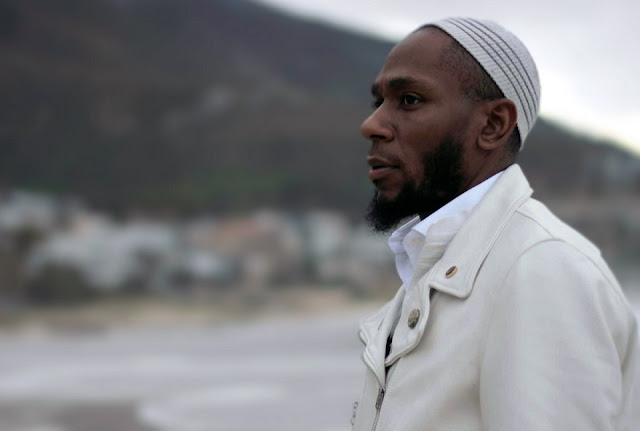
"Moje máma říká" Mos Def (český překlad)
Obrázek
  Islámská symbolika a terminologie raperů není záležitostí současnosti, ale objevuje se už v samotných počátcích této subkultury. Hnutí Zulu Nation nebo kapely Public Enemy, Poor Righteous Teachers a Brand Nubian se velmi sebevědomě a otevřeně hlásily k islámu, budeme-li se ale zabývat detaily a souvislostmi, zjistíme, že ve většině případů se jedná o vlivy sekt Nation of Islam nebo 5% Nation.  Názory a výrazy (převážně 5% Nation) těchto hnutí mezi rapery převládá, a spíše se jedná jen o "sympatie" než o aktivní členství.

“Return of the Mecca: The Art of Islam and Hip-Hop” (book + exhibition)

Obrázek
“Return of the Mecca: The Art of Islam and Hip-Hop” features excerpts from an interview between Yasiin Bey (aka Mos Def) and curator Sohail Daulatzai, as well as music by Oddisee, and art work from the exhibit which includes Jamel Shabazz, Ernie Paniccioli, B+, Cognito, Katina Parker, Coleman, Nema Etebar and more. More of the interview, essays by Chuck D and Sohail Daulatzai, and additional art work and ephemera can be found in the 120 page full color commemorative book.

"American Jihad: Islam After Malcolm X" Steve Barboza

Obrázek
With more than one billion faithful, Islam is the world´s fastest-growing religion. In the United States, where there are perhaps as many as six million Muslims, Islam may be second only to Christianity in number of adherents. AMERICAN JIHAD is the first comprehensive and popular guide to the faith as it is practiced here.

"ISLAM in African-American Experience" R.B.Turner (1997)

Obrázek
This newly updated history of Islam in the black community traces the involvement of African Americans with Islam to its roots in the Middle East, West Africa, and antebellum America, and then tells the story of the „Prophets of the City“ – the leaders of the new urban-based African American Muslims movements in the twentieth century. It places the study od Islam in the context of the racial, ethical, and the political relations that influenced the reception of succesive presentations of Islam, including the West African Islam of slaves, The Ahmadiyya Movement from India, The orthodox Sunni practice of later immigrants, and the Nation of Islam.